Field Fence & Woven Wire Fence in Springfield, MO
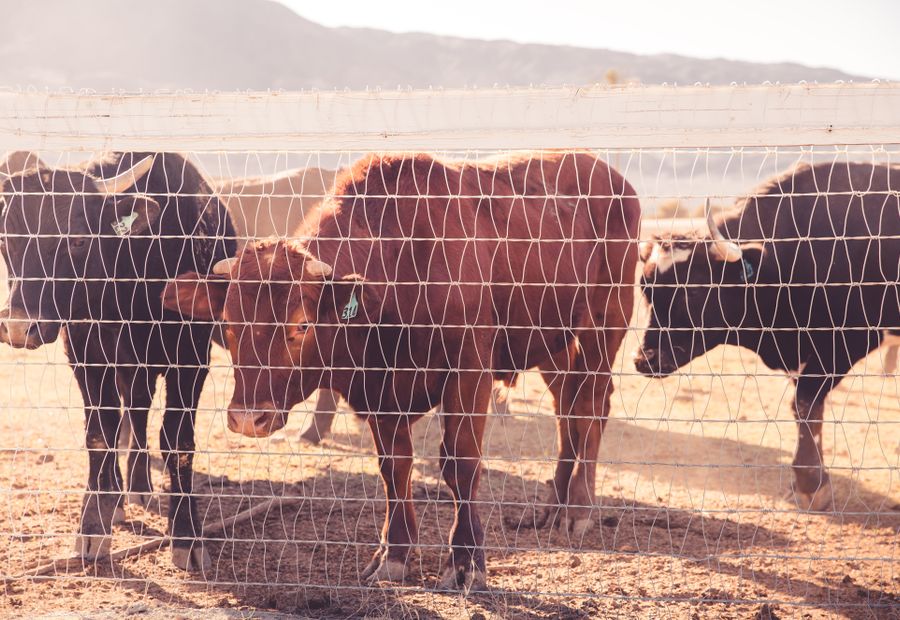
Springfield Farm Fence installs field fence and woven wire agricultural fence for cattle herds, horse pastures, goat and sheep lots, and hobby farms across Springfield, Republic, Willard, Rogersville, and Fair Grove. We build in Greene, Christian, Webster, Polk, Dallas, and Lawrence counties, Missouri, on everything from forty acres of grass to a five acre place at the edge of town.
Mesh is a spec, and we quote it that way. Stay-Tuff fixed knot and Red Brand rolls both carry Class 3 galvanizing, which lays about three times the zinc on the wire that Class 1 does, and that coating decides whether the fence outlives the note or rusts at the knots. Wire spacing tightens toward the bottom on every roll worth buying, because that is where calves and kids go. Ends and corners get an H-brace on CCA ground contact posts set into drilled rock, since a stretched roll of woven wire puts more pull on a corner than five strands of barbed ever will. Wire stays go in between posts on the long spans. The common alternative is a roll unrolled along the line, tightened with a come-along on two wires, and stapled to T-posts, and that fence bags in the low spots by the following spring.
Mesh by Animal
Cattle go against a fence, horses go over it, goats go through it. Cattle hold behind forty seven or forty nine inch mesh with six inch verticals. Horses want a smaller opening so a hoof cannot pass through, usually two by four inch mesh, and sixty inch height on breeding stock. Sheep and goats need the tight bottom described above. Mixed herds get the tightest spec on the place, because the fence only has to fail for one animal.
Rock, Hills, and Staying Square
Cherty limestone sits close to the surface across the Springfield Plateau, and a roll of woven wire is unforgiving about post depth. A shallow line post pulls out of plumb the day the roll gets tightened. We drill through the rock rather than set short, and we shorten the run between braces where the ground rolls hard. On side hills the mesh wants to skew, so posts go closer together and each panel gets checked square before the staples go in.
Getting on the Schedule
Field fence goes up spring through fall, and quotes happen year round. Cattle producers here usually want new wire between calving and turnout, and that stretch fills first. Call (417) 612-8231 and we will get out and measure. Most field fence jobs pair with farm gates in the same build.
What is the difference between fixed knot and hinge joint field fence?
A fixed knot ties each crossing with a separate wrapped wire, so the vertical stays cannot slide along the horizontals. The mesh keeps its square shape under a leaning cow and on a side hill. A hinge joint bends at the crossing, gives under impact, and springs back. Hinge joint costs less and does fine on flat ground with quiet stock. On rolling Ozark pasture the fixed knot is what stays square.
Will field fence hold goats?
It will if the mesh is right. Goats do not jump a fence, they find the hole and push through it. That means openings no wider than four inches through the bottom two thirds of the roll, fixed knot construction so the mesh cannot be spread apart, and the bottom wire tight to the ground with tie-downs in every dip. Horned goats hang up in wide mesh, which is its own reason to spec small openings. Add an offset hot wire on the inside and they quit leaning on it.
How do you stretch a roll of woven wire?
The roll gets pulled from a braced end assembly with a stretcher bar clamped across the full height, so every horizontal wire takes tension at the same time. Pulling on a few wires bags the rest. We stretch until the tension curves in the wire pull most of the way out, then tie off at the end post and staple the line posts without driving the staple tight against the wire. Wire needs to move a little through a staple as the weather changes.
Do I need a barbed top wire on field fence?
For cattle it is worth the small cost. Cattle lean over a woven fence to reach grass on the other side and slowly roll the top down. One barbed strand on top, or an offset hot wire, stops the leaning before it starts. For horses we skip barbed wire and put a board or a sight wire on top instead, since a horse that hits barbed wire gets cut badly.