Pipe Fence & Cattle Corrals in Springfield, MO
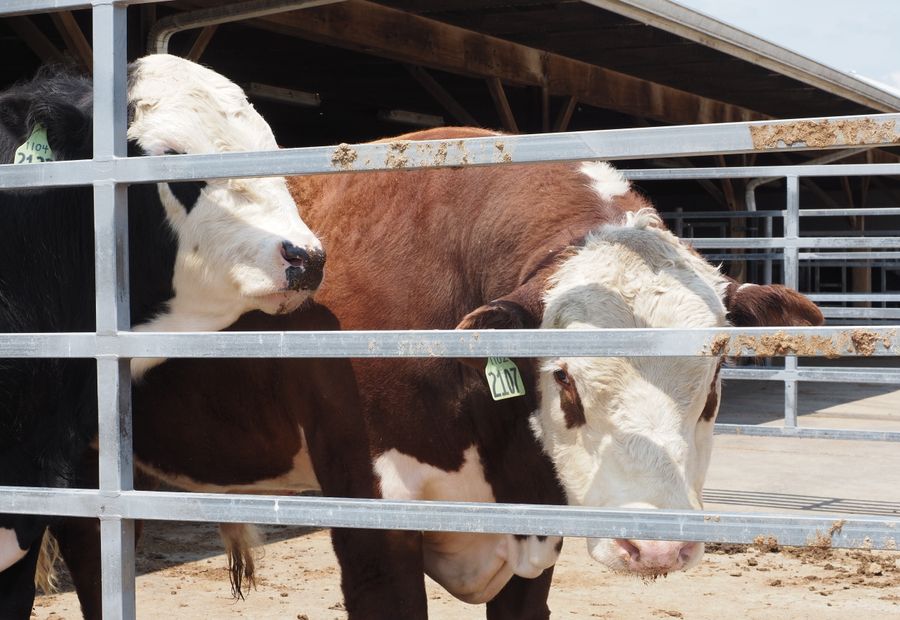
Springfield Farm Fence builds welded pipe fence, continuous rail, and cattle corrals for cow-calf operations, backgrounding lots, and horse facilities around Springfield, Bolivar, Marshfield, Willard, and Republic. We set working pens, sorting alleys, headgate chutes, and heavy hanging gates across Greene, Polk, Webster, Christian, Dallas, and Lawrence counties, Missouri.
Pipe holds cattle that wood gives up on. We weld pipe posts with pipe or sucker rod rails, hang Priefert and Powder River gates, panels, and headgates on them, and pour a concrete footing under every post. Where limestone sits close to the surface, we drill into it and let the rock do the work a footing normally does. Powder coated equipment from those two lines takes the weather and the abuse a working pen delivers, and the welds get ground and painted so they do not become the rust point. Set against that is the pen made from lightweight panels wired to T-posts, which holds fine until one cow gets shoved by twenty others and the whole side folds.
Laying Out a Working Pen
A corral is a shape before it is a fence. Cattle move better around a curve than into a square corner, so a crowding tub feeds a curved alley that runs to the headgate, with solid sheeting where you want the animals to quit looking sideways. Sorting pens branch off the alley on gates that swing both directions and latch from either side. We plan around how many head come through at once, who works them, and where the trailer backs in.
Where Pipe Earns Its Price
Not every fence on a place needs to be steel. Pipe belongs where the pressure concentrates: bull pens, the bunk line, the ground around a water tank, the alley, and both sides of a gate opening. Those spots eat wood on a repair schedule. Everywhere else, wire does the job for a fraction of the cost. We tell clients which stretches actually justify pipe rather than pricing the whole boundary in steel.
Scheduling Pen Work
Welding and concrete both want ground that is neither frozen nor flooded, so pipe builds run spring through fall. Winter is quoting season, and most producers here want pens ready before calving and turnout. Call (417) 612-8231. Corral work usually connects to a wider pasture fence plan.
Should pipe fence posts be set in concrete?
Yes. Steel does not rot at the ground line, so the objection that applies to a wood post does not apply here. A concrete collar gives the pipe a footing that will not shift under a crowding pen full of cattle. On the Springfield Plateau we often drill into limestone for that footing, and rock under the collar makes a very solid post. Gate and corner posts get a wider hole and more concrete than line posts do.
What size pipe is used for cattle fence?
Two and three eighths inch pipe is the common post around here, with two and seven eighths where cattle crowd hard or a gate hangs. Rails run smaller, often one and five eighths or sucker rod. Wall thickness matters more than diameter on used pipe, since a large pipe with thin walls dents where a small heavy one holds. We check wall on any salvage before we buy it for a customer.
How much does a set of working pens cost?
Pens price by the layout, not by the foot, because you are buying posts, rails, gates, and the flow between them. A simple catch pen with one wide gate is a modest job. A full working setup with a crowding tub, a curved alley, a headgate, and sorting pens runs several times that. Used pipe and sucker rod pull the material number down when we can source them locally. We price around the way you actually handle cattle.
Continuous fence panels or welded pipe?
Continuous panels arrive welded, usually twenty feet with four to six rails, and clamp to driven posts. They go up fast and you can move them if the layout changes. Welded pipe is built on site, costs more, and follows a line panels cannot. Most pens we build use both: welded pipe on the corners, the alley, and the gate openings, continuous panels on the long straight runs.